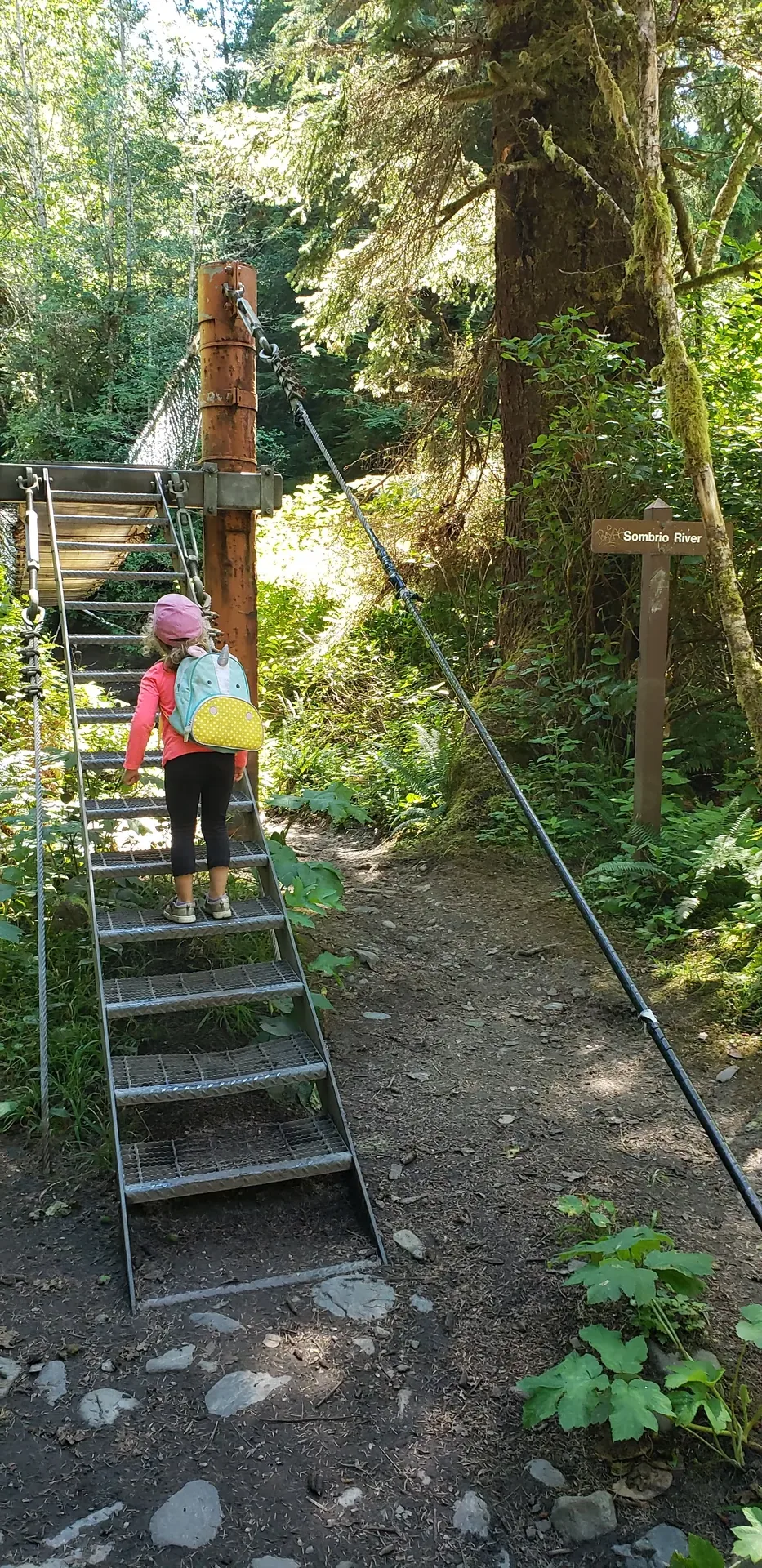
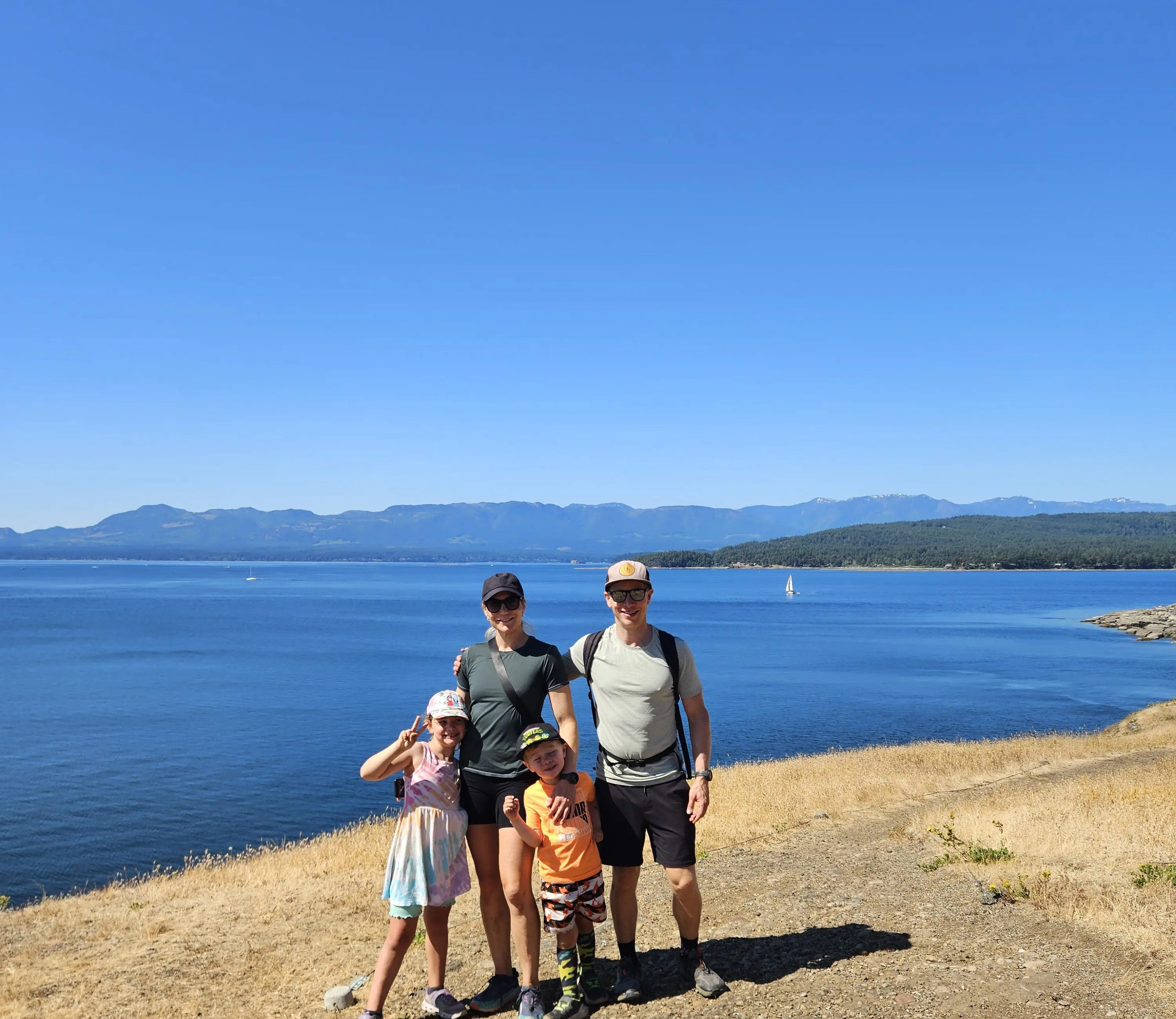
It's official: the Juan de Fuca Marine Trail is reopening on July 1, 2026. After more than a year of storm-damage repairs along the 47-kilometre coastal route, BC Parks has confirmed the trail will be open end-to-end in time for Canada Day weekend.
If you've been holding off on planning a hike-and-stay summer because the trail status kept shifting, this is the green light. From Canada Day onwards, all four trailheads — Juan de Fuca East near China Beach, Sombrio Beach, Parkinson Creek, and Botanical Beach — will be open for day hikes and the full multi-day traverse.
What you're hiking into
The Juan de Fuca Marine Trail follows 47 kilometres of remote shoreline along the western edge of southern Vancouver Island. It's a wilderness route — rugged, weather-exposed, and beautiful in a way that doesn't really come through in photos. Old-growth Sitka spruce and Douglas fir give way to sandstone beaches, suspension bridges over coastal creeks, and views of the open Pacific where grey whales pass through in spring and fall.
You can hike a section as a day trip from any of the four trailheads, or thread the whole thing over four or five days as a backcountry traverse. BC Parks classifies the trail as suitable for "experienced backcountry hikers" — and that classification is honest. It's not Pacific Rim's Wickaninnish boardwalk. There's mud, there are roots, there are slick boardwalks and steep stairs, and conditions can change quickly with the weather.
Before you head out
A few things worth knowing — most of them are why we like this trail in the first place.
The essentials
- →Check the advisories. Conditions on the coast shift fast. Always check the current advisories on the BC Parks Juan de Fuca page before you leave the cabin. Trailhead information shelters often have additional updates.
- →Mind the tide. Several sections are impassable at high tide. Print or save a tide table for Port Renfrew before you go — your stretch of beach can vanish underwater faster than you'd guess.
- →Bear and cougar country. Both are present along the whole trail. Make noise on the way and hike in groups when you can.
- →Rogue waves are real. Never turn your back on the open Pacific, especially on exposed shoreline sections. Watch for orange balls marking trail-back exits from the beaches.
- →Leave a trip plan. Even for day hikes. The trail has limited cell coverage and it can be hours before help arrives if something goes sideways.
From the cabin
The Botanical Beach trailhead — the trail's western endpoint — is an 8-minute drive from Rachael's Retreat. Sombrio Beach, the trail's middle and arguably the most photogenic stop, is about a 20-minute drive east on Highway 14. Whether you're picking off a short out-and-back day hike or kicking off a multi-day push, the cabin is a comfortable launch point and a much better recovery spot than a damp tent.
If you'd rather skip the long traverse and treat the trail as a series of standalone day adventures, three favourites we send guests on: the Botanical Loop (easy, family-friendly, drops into the famous tide pools), the China Beach Day-Use trail (1 km to a scenic beach with a viewing deck), and the section from Sombrio to the suspension bridge over Sombrio Creek.
Plan your visit
Stay at Rachael's Retreat
Eight minutes from the Botanical Beach trailhead — a base camp for day hikes, the full Juan de Fuca traverse, or just a long weekend on the coast.
Check 2026 Availability →